
Battery Charging · SZIME project sourcing
Battery Charging and Portable Device Component Sourcing
SZIME sources charger and power-management components for portable devices, matching the battery configuration, input source and operating modes with project procurement.
Published · Updated
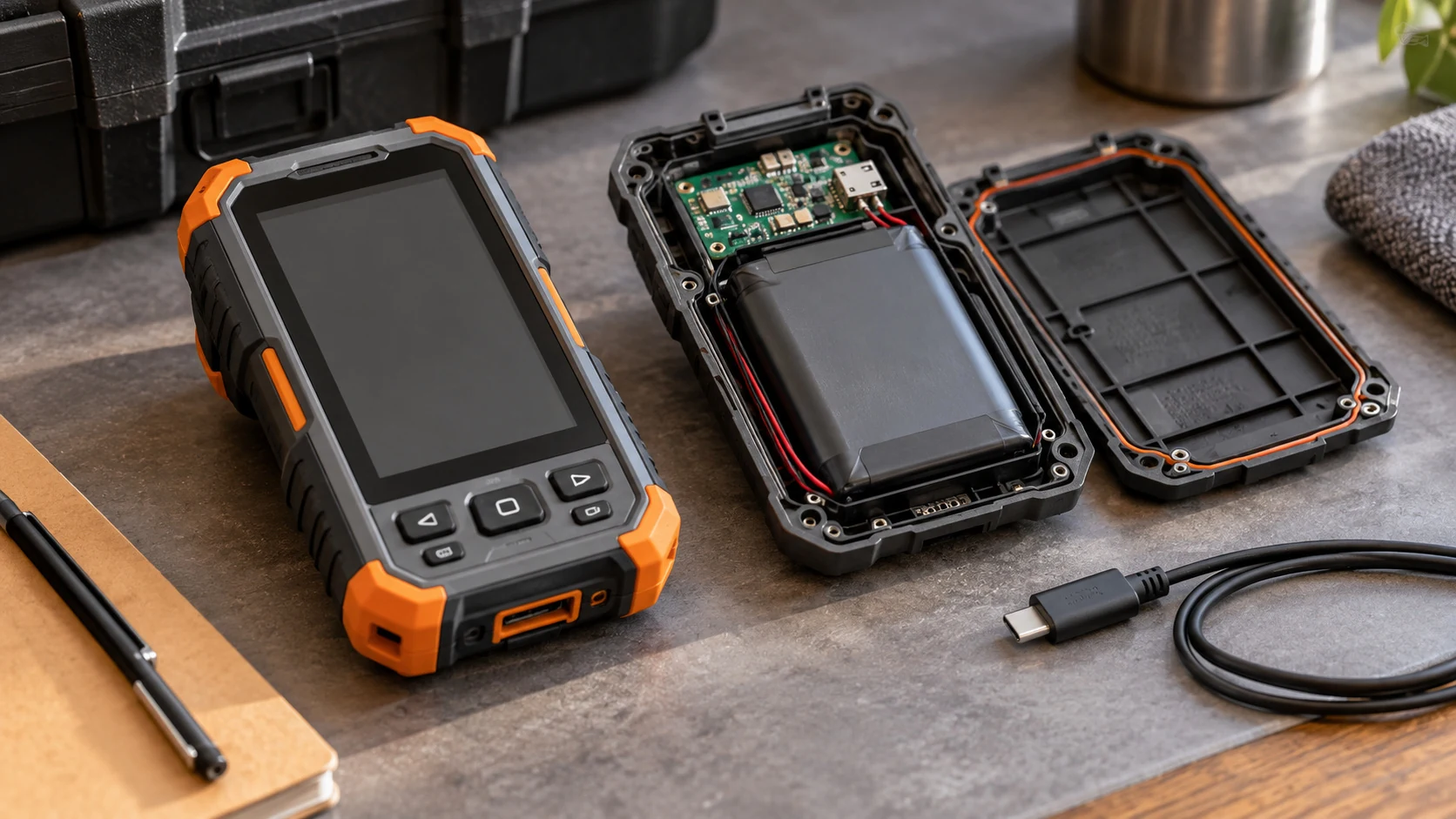
Portable equipment needs a charging design that matches both its battery and the way users operate the device. A handheld instrument, connected terminal or battery powered controller may have different input sources and load patterns. SZIME Electronics supports component sourcing discussions for these projects, connecting charger requirements and supporting devices with engineering evaluation and the next manufacturing decision.
Begin with the battery and input source
State the battery chemistry, series cell count and charging requirements established by the battery specification. Then describe the available input source and the voltage range the design must accept. These conditions guide the charger category before package size or a quoted current rating becomes the basis for comparison.
Include the selected battery information with the enquiry where possible. If the product architecture is still open, identify the choices under review and who will approve them. SZIME welcomes that early discussion, allowing the component sourcing scope to develop alongside the battery and system decisions made by the engineering team.
Define operation while external power is connected
Some devices need to operate while charging, including when the battery is deeply discharged. Power path management addresses how input power is allocated to the system and battery. The required behavior should be described explicitly, including the conditions under which the product starts, charges and continues operating from its battery.
TI's BQ24074 is an example of a single cell linear charger with power path management. It illustrates a function to examine, not a universal recommendation for portable equipment. The chosen device must be assessed against the battery, input conditions and load behavior of the particular design before purchasing is released.
Choose the conversion approach for the product
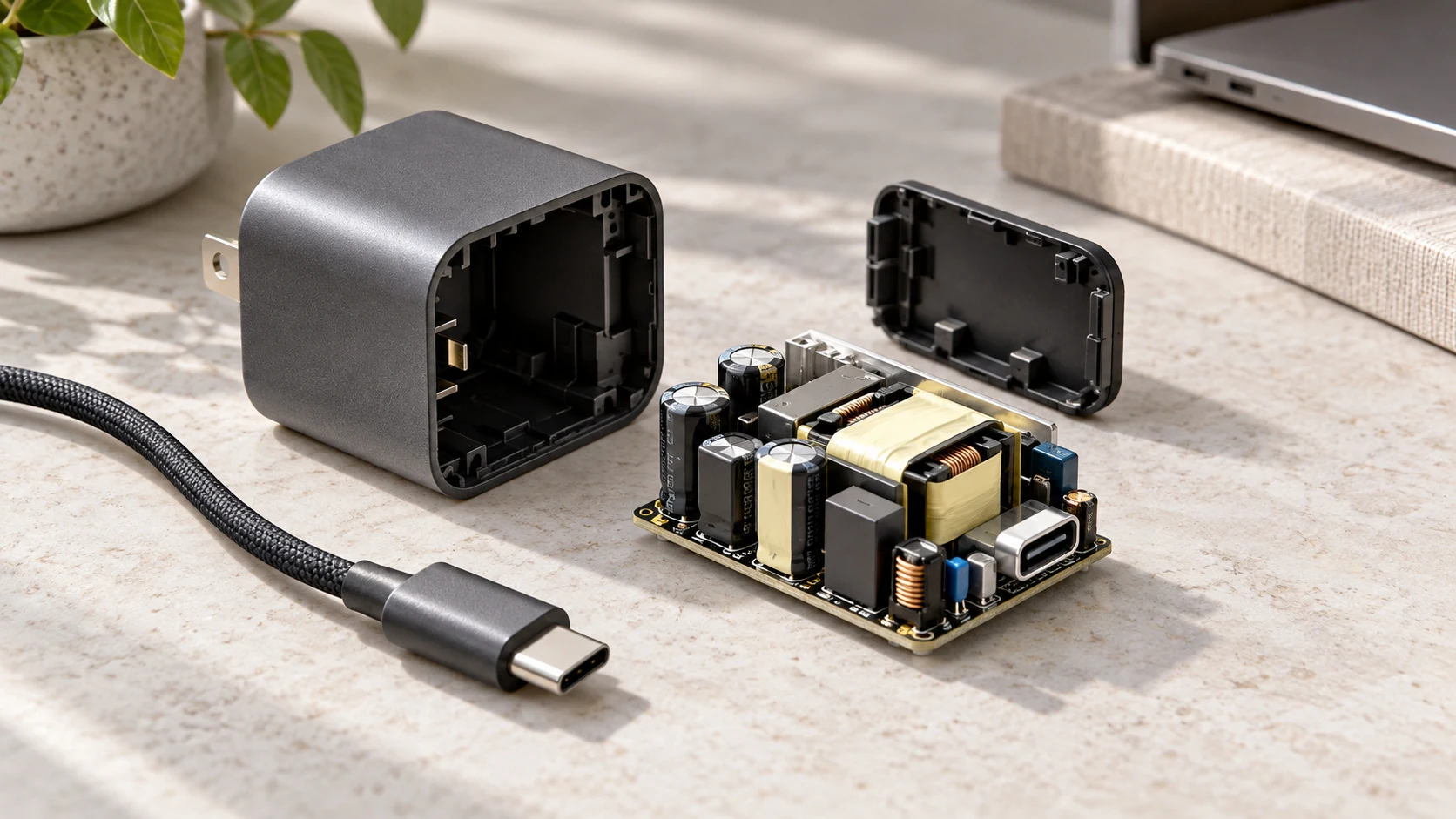
Linear, buck and buck boost charger architectures serve different input and battery relationships. Space, thermal conditions and operating current also influence the engineering choice. A compact product should describe the available board area and enclosure conditions alongside its charge requirement so that device comparisons retain their practical context.
The component list may also include external switches, inductors, sensing and input protection, depending on the selected charger. Group these supporting devices with the charger enquiry. Their requirements should follow the manufacturer's design guidance and the configuration being evaluated, rather than a generic list shared across unrelated battery products. Identify which parts already have accepted alternatives and which must retain the released manufacturer ordering code.
Include the controller and battery information path
A charger may operate with external settings or through a digital control interface. Identify how the host will configure charging and read status, and which actions remain available before the main software starts. These decisions affect firmware work as well as the purchasing identity of the selected device.
Keep charging, battery protection and fuel gauging requirements distinct even when a particular product integrates some functions. State what the system needs and where each function is implemented. This gives engineering a clearer basis for reviewing supporting parts and prevents a purchasing enquiry from assuming functionality that the chosen charger does not provide.
Keep evaluation changes in the purchasing record
During prototype evaluation, battery choice, input limits or thermal behavior may lead to a revised component configuration. Record the accepted order codes and settings with the hardware revision before preparing the next build. An alternative charger should return to engineering for review of the affected circuit and software behavior.
SZIME handles TI and other international component brands through independent distribution. Share the packaging and documentation requirements for your project, along with the next build milestone. The proposed quantity, source records and delivery conditions can then be discussed for the actual enquiry, without treating a catalog entry as a confirmed allocation.
Discuss your portable equipment project with SZIME
An initial enquiry can include a product description, battery specification, existing charger code or partial BOM. Explain the operating modes that matter and the decision your team needs to make next. You can begin the discussion while the final design, purchasing quantities and project budget are still being developed.
Contact SZIME Electronics at sales@szime.cn or +86 755 8321 9500, or visit en.cstiot.com. We welcome portable instrument manufacturers, connected device developers and procurement teams seeking charger and supporting component sourcing that follows the product's real power requirements.
Further information: SZIME enquiries