
surplus electronic components consignment · enterprise component surplus
Surplus Electronic Components Consignment for Businesses
Give reusable project inventory a clear route to potential buyers while keeping ownership, information use and sale decisions under an agreed consignment arrangement.
Published · Updated
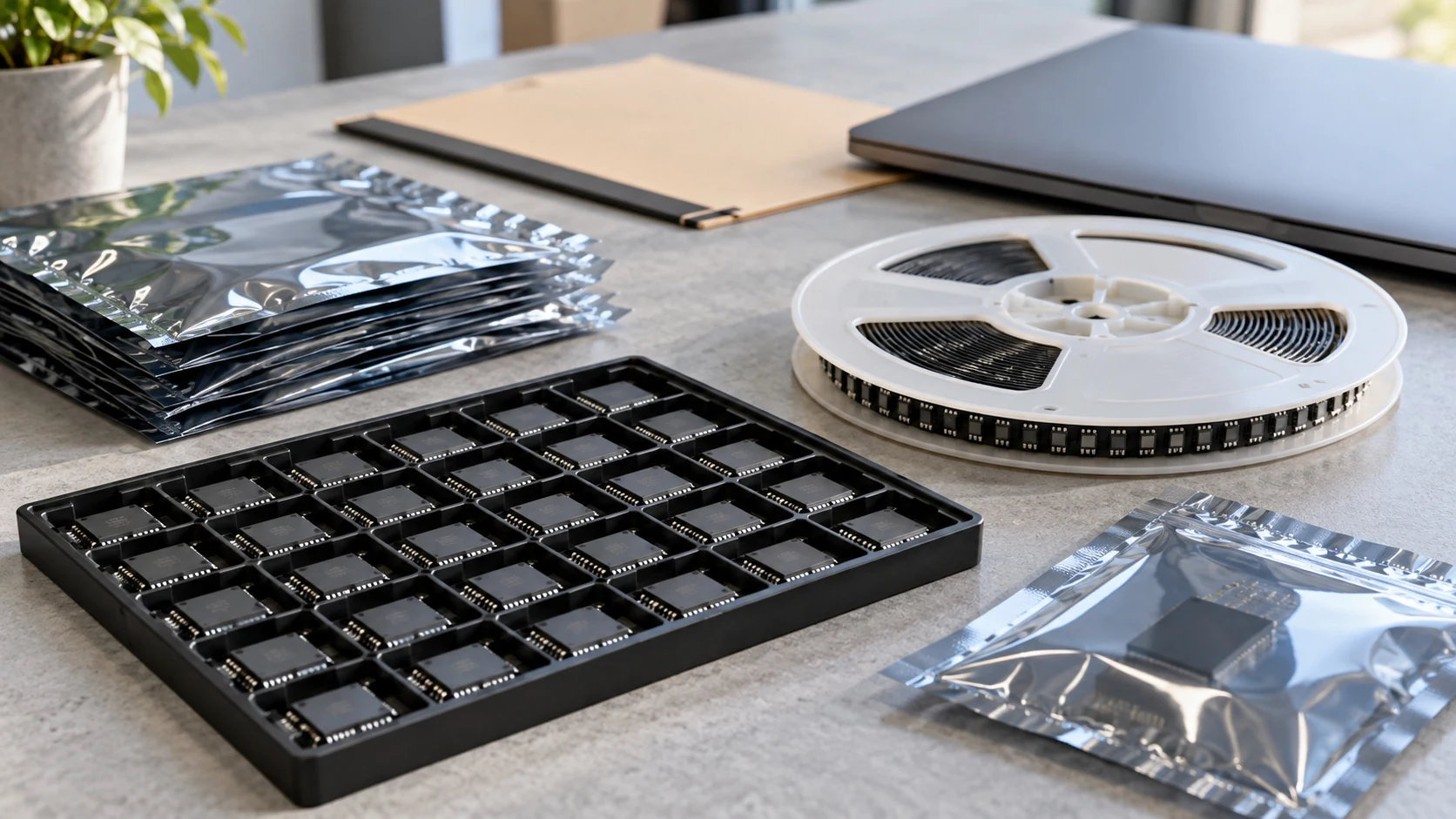
A product transition or cancelled project can leave a business holding components that still have a useful life. For an owner who wants to retain title while suitable demand is explored, consignment offers a structured commercial option. SZIME Electronics supports enterprise surplus component enquiries through material information preparation, demand matching and transaction coordination. The aim is to make the available inventory understandable to a potential buyer and manageable for the business that owns it.
Give the surplus a clear commercial brief
Start with the business objective. Decide which material is available for sale, which must remain for service obligations and whether selected quantities can be released. That brief gives a consignment discussion more direction than an undifferentiated warehouse list. It also separates genuinely available surplus from stock still allocated to an active internal requirement.
An initial enquiry can contain material categories, approximate quantities and the intended outcome. Exact model lists can follow. SZIME accepts that staged approach, allowing a business to explore the suitability of cooperation before its inventory data is fully organized. Further assessment depends on the source, ownership, packaging and actual condition of the material.
Define the mandate while retaining ownership
A consignment arrangement should identify the owner, the authorized contact and the material covered by the instruction. Agree what information may be used for demand matching and how proposed transactions will be approved. Where the owner needs to retain particular quantities or limit disclosure of project details, establish those requirements at the outset.
Client-owned surplus remains distinct from the inventory SZIME offers for sale. The relationship is based on the agreed handling method and the owner’s material, with any sale proceeding under the confirmed commercial terms. A clear mandate lets both sides pursue opportunities without leaving the scope of the cooperation open to interpretation.
Make each lot understandable to a component buyer
A buyer needs to know what is being offered. Complete manufacturer order codes, package details, quantities and label information provide the foundation. Record whether packaging is intact, opened or incomplete, and keep distinguishable lots separate in the file. Clear photographs of packaging, labels and visible condition support the initial assessment.
For the inventory owner, this preparation turns internal stock data into a useful commercial description. Preserve the information needed to assess the material while excluding unrelated customer orders or confidential project details. Any additional records, inspection or sampling arrangements can then be discussed for the specific requirement, rather than implied by the presence of a photograph.

Keep the available quantity current
Consignment works with an owner’s real inventory, which may continue to change. Components may be returned to internal use, quantities may be corrected after counting, or part of a lot may become unavailable. Use a current list with a named contact so a potential transaction is based on material that can actually be released.
This matters especially when several departments are involved. Procurement, finance and inventory teams should work from the same authorized scope. Update the consignment instruction when that scope changes. The purpose is a reliable basis for buyer discussions, not a promise that every listed item will attract demand or sell within a fixed period.
Shape the transaction around the actual material
A suitable enquiry is the start of a transaction review. The owner and SZIME need to establish the proposed quantity, acceptable commercial terms, required checks and the approval needed to proceed. Confirm the material location and custody arrangements, then agree any inspection, handover, delivery and settlement terms for that particular cooperation.
Where the business instead wants a direct transfer of ownership and a completed disposal transaction, direct inventory recovery can be assessed separately. Consignment serves the owner who prefers to retain the material while demand is explored. The choice should follow the material, the business objective and the terms both parties are prepared to accept.
Open an inventory discussion with SZIME
Bring a project surplus list, a group of unused components or an overview of inventory released by a product change. You do not need a complete model list before making contact. Describe the categories, approximate quantities, current location and preferred handling approach. Contact SZIME Electronics at sales@szime.cn or +86 755 8321 9500, or visit https://en.cstiot.com. Our team in Shenzhen, China welcomes enterprise enquiries about reusable electronic component inventory.
Further information: SZIME enquiries