
Supplier Qualification · SZIME project sourcing
China Component Supplier Qualification and Procurement with SZIME
SZIME connects company review, documented brand relationships and order requirements, giving OEM procurement teams a clear route to component sourcing and continuing supply cooperation.
Published · Updated
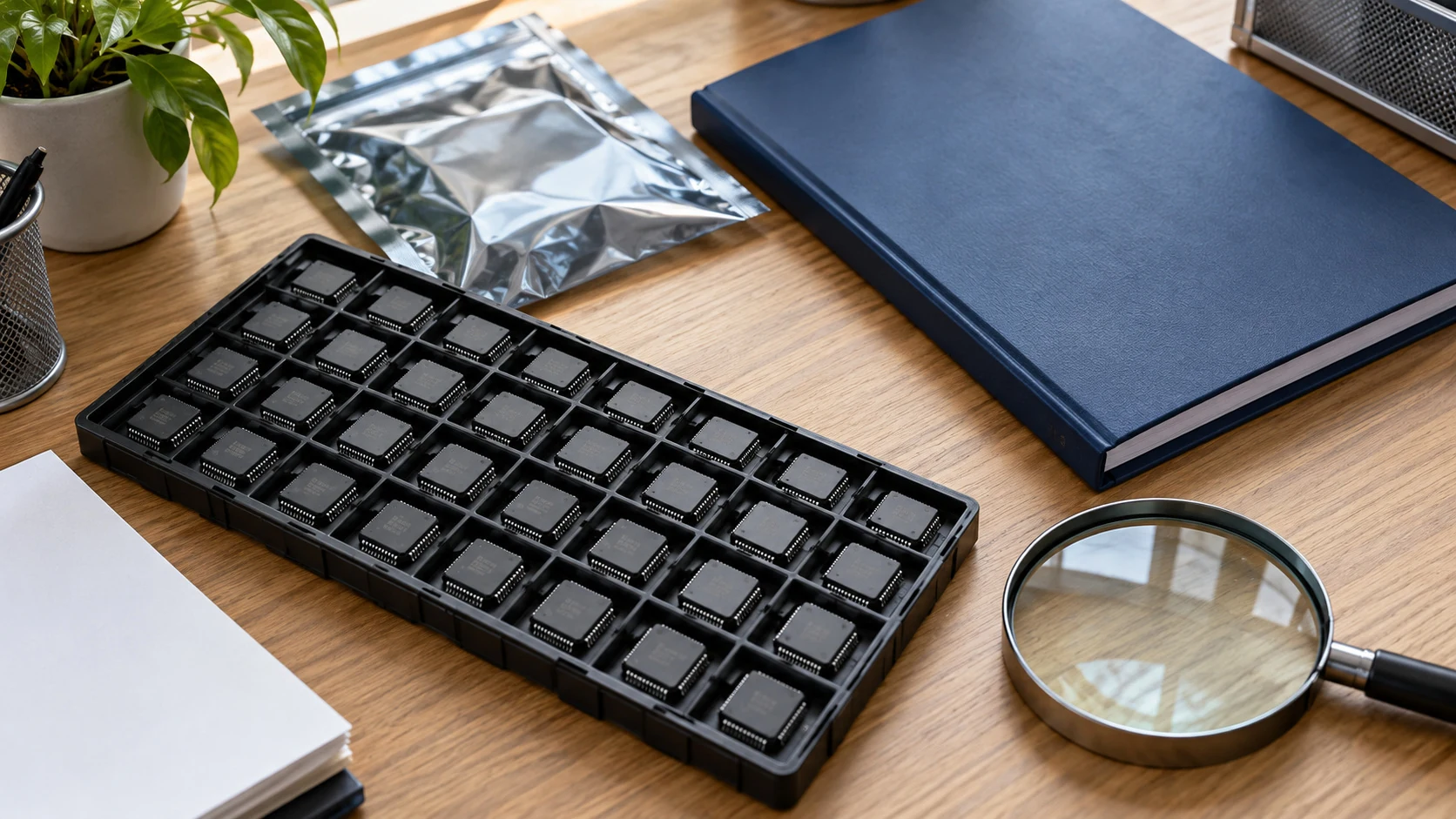
Qualifying a component supplier in China works best when the company review connects to the purchases your team actually intends to make. SZIME Electronics welcomes overseas procurement and engineering teams evaluating a new sourcing relationship. We can discuss company information, the relevant business scope and a first project requirement, giving your internal review a concrete basis for deciding how to proceed.
Identify the company behind the trading brand
SZIME Electronics is the English trading brand of 深智微科技(深圳)有限公司, based in Shenzhen. Keep the company identity and contact details with your supplier evaluation record. When your organization uses a qualification questionnaire, share the information required for review so that the relevant materials can be discussed with the team.
Explain the intended purchasing relationship at the same time. A request for one approved component, an ongoing production list and an early development project involve different questions. Describing the actual scope helps your procurement, engineering and quality colleagues decide which information they need before the first order can be considered.
Review the relationship for the requested brand
SZIME is an official authorized agent for the full CR Microelectronics product range. International brands such as TI, ADI, ST, NXP, Infineon, onsemi and ISSI are handled through independent distribution. These business relationships should be recorded separately when your organization evaluates the route proposed for a particular part.
If your purchasing policy requires manufacturer authorization or specific source documents, state that requirement at the beginning. The discussion can then address the relevant brand and the available route. A company level qualification does not replace the need to confirm which business scope and supporting records apply to the actual enquiry.
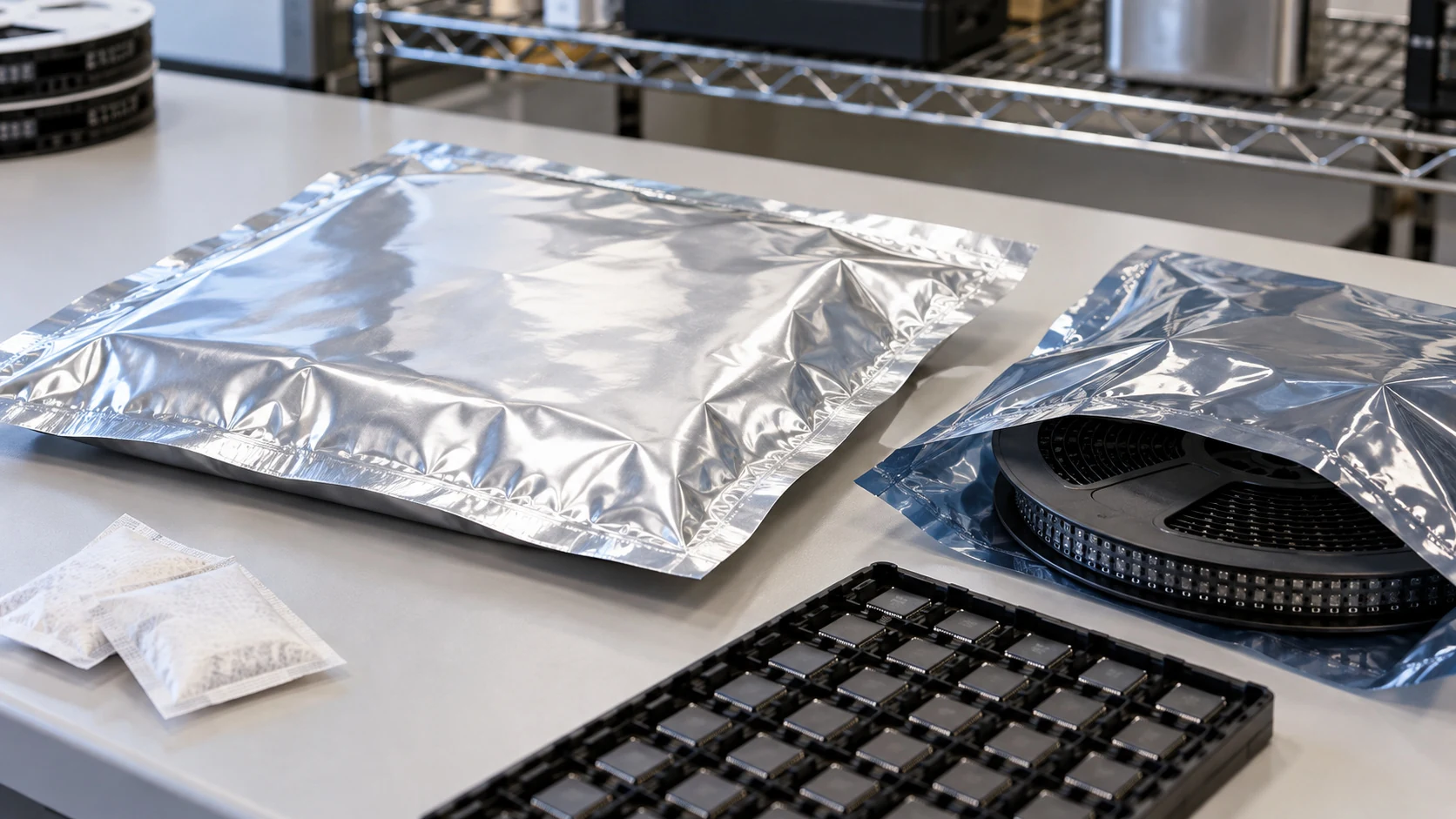
Match evidence to the proposed supply
Define the records your team needs for the intended purchase, such as packaging information, lot identification or agreed inspection documentation. Ask how the available material relates to the offered parts. A useful review keeps the exact ordering code and proposed supply conditions attached to the information being assessed by procurement and quality.
Historical photographs or inspection records can help explain a company's work, but they describe the items and checks recorded at that time. For a new order, discuss the relevant evidence and any additional arrangements separately. This keeps acceptance decisions grounded in the proposed purchase without assuming universal manufacturer traceability or inspection coverage.
Use one project to define working arrangements
Start with a requirement that your team can describe and evaluate clearly. Identify the complete part numbers, quantities, delivery destination and target milestone, together with any unresolved engineering questions. The commercial discussion can then establish the proposed supply scope and distinguish confirmed requirements from options that still need internal approval.
Agree how changes will be communicated during the enquiry. If engineering revises a package or purchasing changes a quantity, the quotation should be reviewed against the updated request. Keeping one current requirement record gives both teams a practical basis for resolving questions and preparing the order your organization intends to place.
Prepare for continued purchasing cooperation
After the initial project, consider how the relationship will support later builds. Share forecast information separately from confirmed orders, identify the people responsible for changes and explain any requirements for split deliveries. These discussions should lead to specific arrangements, with quantities and delivery terms agreed for the relevant order.
For multi-brand purchases, retain the approved source and document requirements for each component group. When a new product or brand is introduced, review whether the established cooperation scope still fits. This allows the supplier relationship to develop without assuming that an earlier approval automatically covers every later purchasing requirement.
Begin your supplier evaluation with SZIME
You can contact SZIME with a supplier questionnaire, a part list or a description of the equipment project you are planning. A final BOM or annual purchasing commitment is not required for an initial conversation. Explain the evaluation stage and the decision your procurement team needs to make next.
Contact SZIME Electronics at sales@szime.cn or +86 755 8321 9500, and visit en.cstiot.com. We welcome overseas buyers seeking a China component sourcing relationship with a clearly identified company, defined brand scope and project requirements that remain visible throughout the purchasing discussion.
Further information: SZIME enquiries