
Embedded Memory · SZIME project sourcing
Memory Component Sourcing for Embedded Equipment
SZIME sources memory components for embedded equipment, matching the memory function, complete ordering code and product lifecycle with the hardware your team will manufacture.
Published · Updated
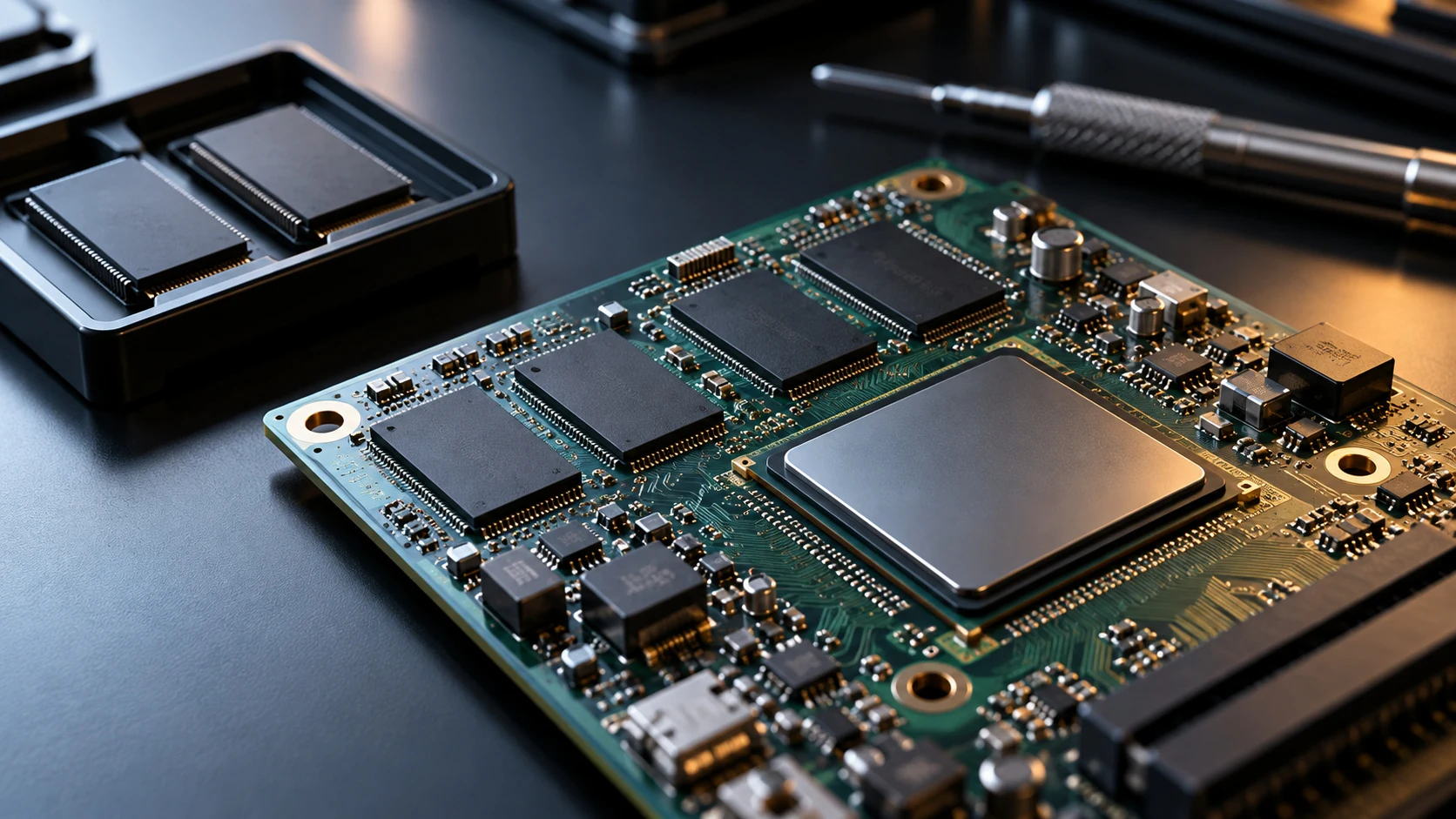
Embedded equipment often needs several kinds of memory, each serving a different job. Firmware storage, working memory and recorded data should therefore have distinct purchasing requirements. SZIME Electronics supports memory component sourcing for equipment manufacturers and embedded development teams, helping them organize enquiries around approved hardware and the decisions that remain before a product or revised board can be built.
Separate the memory roles in the product
Identify where the design stores boot code, where it keeps data in use and where it saves information after power is removed. NOR flash, DRAM and NAND based storage can appear in these roles, but the processor architecture and software determine the actual arrangement. Purchasing should preserve that system context.
Group the enquiry by function and retain the exact manufacturer part numbers already approved. If a category is still being selected, state the intended use and processor interface. This gives the sourcing discussion a useful starting point without treating every device with the same capacity as a candidate for the same socket.
Carry the complete device identity into the order
Capacity is only one part of a memory specification. Organization, bus width, voltage, package, temperature grade and supported timing can distinguish ordering options. Keep the full code and the applicable data sheet with the purchasing list so that quotations can be checked against the design's actual requirements.
Where the original information comes from a package marking or an older build record, ask engineering to confirm the ordering identity before release. SZIME can discuss enquiries using the available part information, while any unresolved suffix or package requirement remains an explicit question for the project rather than an assumed match.
Review flash changes with the software requirements
NOR and NAND devices should be assessed against their respective interfaces and operating behavior. For raw NAND, the controller and software requirements need particular attention; managed NAND products incorporate a controller and present their own host interface. Moving between these arrangements changes more than the name of the memory category.
When an alternative is considered, include boot, update and data storage behavior in the validation scope. Engineering should decide what must be checked for the implemented design. This makes the purchasing option actionable: the team can identify which hardware and software conditions determine whether the proposed device may be accepted.
Connect lifecycle information with the equipment plan
Long service life equipment benefits from memory choices that account for future product changes. Manufacturer lifecycle programs apply to identified products and published conditions. Micron, for example, distinguishes standard lifecycle products from selected products in its longevity program; that distinction should not become a blanket supply promise for every memory part.
Record the lifecycle information relevant to each selected ordering code and the date it was reviewed. Discuss a response to a product change or discontinuance with engineering before it becomes an urgent buying decision. A documented review can support qualification planning, while actual stock and purchase commitments remain separate commercial matters.
Keep sourcing options tied to qualified hardware
SZIME handles international memory brands through independent distribution. Share the required packaging, date code or source documentation together with your planned quantities and build milestone. Any available records and offered supply conditions should be reviewed for the specific enquiry rather than inferred from a manufacturer product page.
For equipment families, indicate which boards use each memory option and whether alternatives have already been qualified. This allows purchasing to consider demand across products while preserving their approved configurations. If a device change requires a new firmware version, carry that dependency into the build plan and purchasing revision as well. Keep the original approved option identifiable while the new configuration is evaluated.
Start a memory sourcing discussion with SZIME
Bring an approved memory list, an uncertain ordering code or a product architecture still under development. Explain the next decision: completing a prototype, releasing a revised board or preparing continued manufacturing. Final quantities and a complete BOM are not required to begin discussing the sourcing direction with our team.
Contact SZIME Electronics at sales@szime.cn or +86 755 8321 9500, and visit en.cstiot.com. We welcome embedded equipment developers and procurement teams seeking memory component cooperation that keeps function, device identity, qualification and manufacturing requirements connected throughout the purchasing process.
Further information: SZIME enquiries