
Machine Vision · SZIME project sourcing
Industrial Machine Vision Component Sourcing with SZIME
SZIME sources processing, memory, power and interface components for industrial cameras and vision systems, connecting the approved hardware configuration with project procurement.
Published · Updated
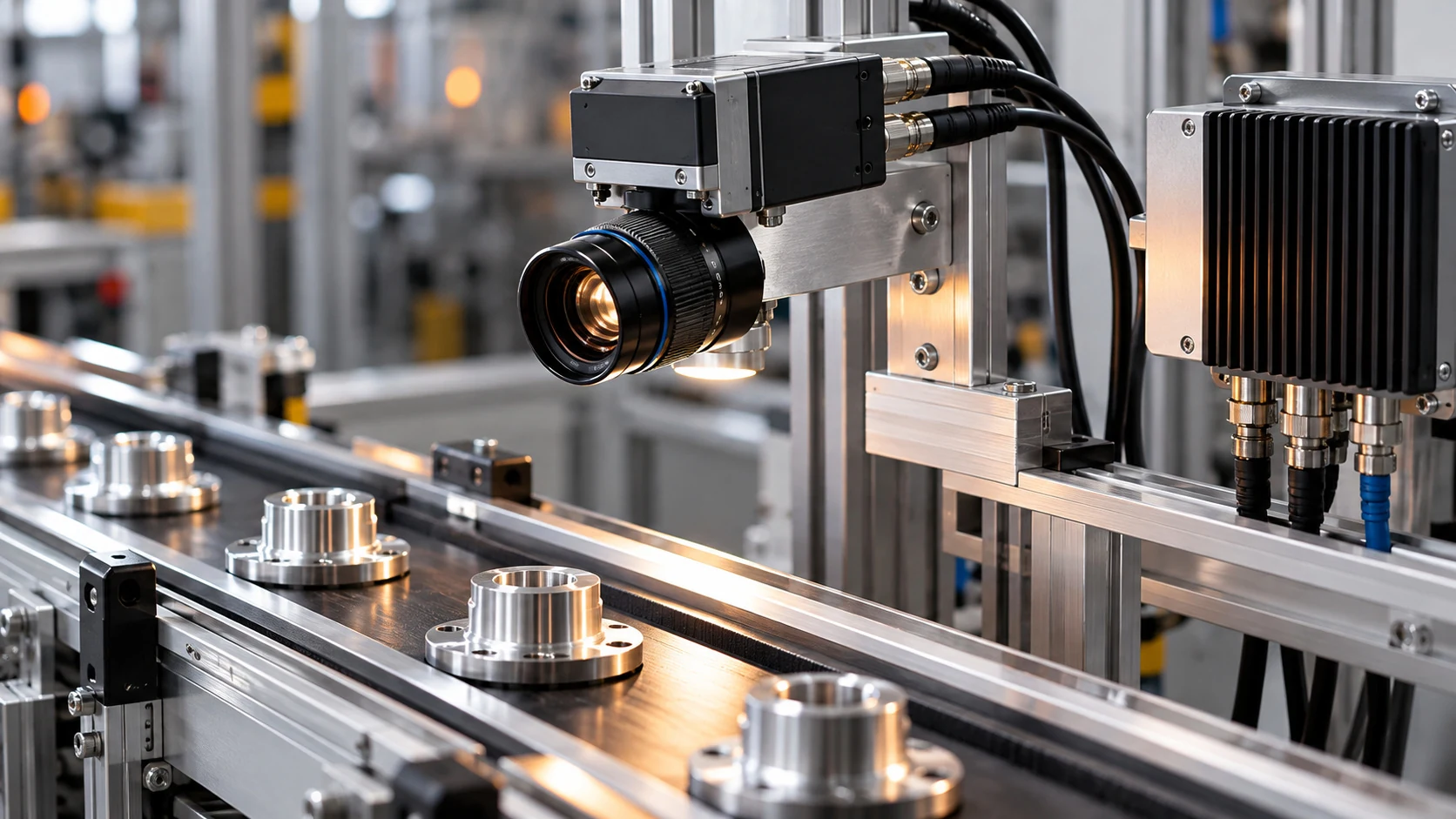
A machine vision product depends on more than the image sensor. Its processing, memory, power and communication devices determine how captured data moves through the equipment. SZIME Electronics supports component sourcing for industrial camera developers and vision equipment manufacturers, helping purchasing and engineering teams organize enquiries around the electronics their product needs from development through manufacturing.
Define the image path before comparing parts
Begin with the route from capture to the intended result. Some cameras transfer images to a host, while other products process data locally and transmit selected results. Resolution, frame rate and processing tasks influence the resources required along that route, so the application description should accompany the component list.
Identify the processing device, memory connections and host interface already selected by your engineers. If the architecture is still open, describe the desired operating modes and existing software environment. That information gives the sourcing discussion a practical starting point without presenting an unreviewed component as a complete camera solution.
Keep processing and memory requirements connected
Memory selection should follow the processor interface and the way the design handles image data. Capacity alone does not establish suitability. The approved organization, voltage, package and operating conditions also matter when a purchasing team compares available ordering codes with the engineering list.
For a product with several camera variants, show which devices are common and which change with the model. SZIME can review the sourcing enquiry against that distinction. Shared purchasing opportunities can then be considered while preserving the component requirements of each released hardware configuration. Include any memory qualification already completed by your engineering team, so a commercial option can be reviewed against the relevant design rather than capacity alone.
Treat image sensor power as a design requirement
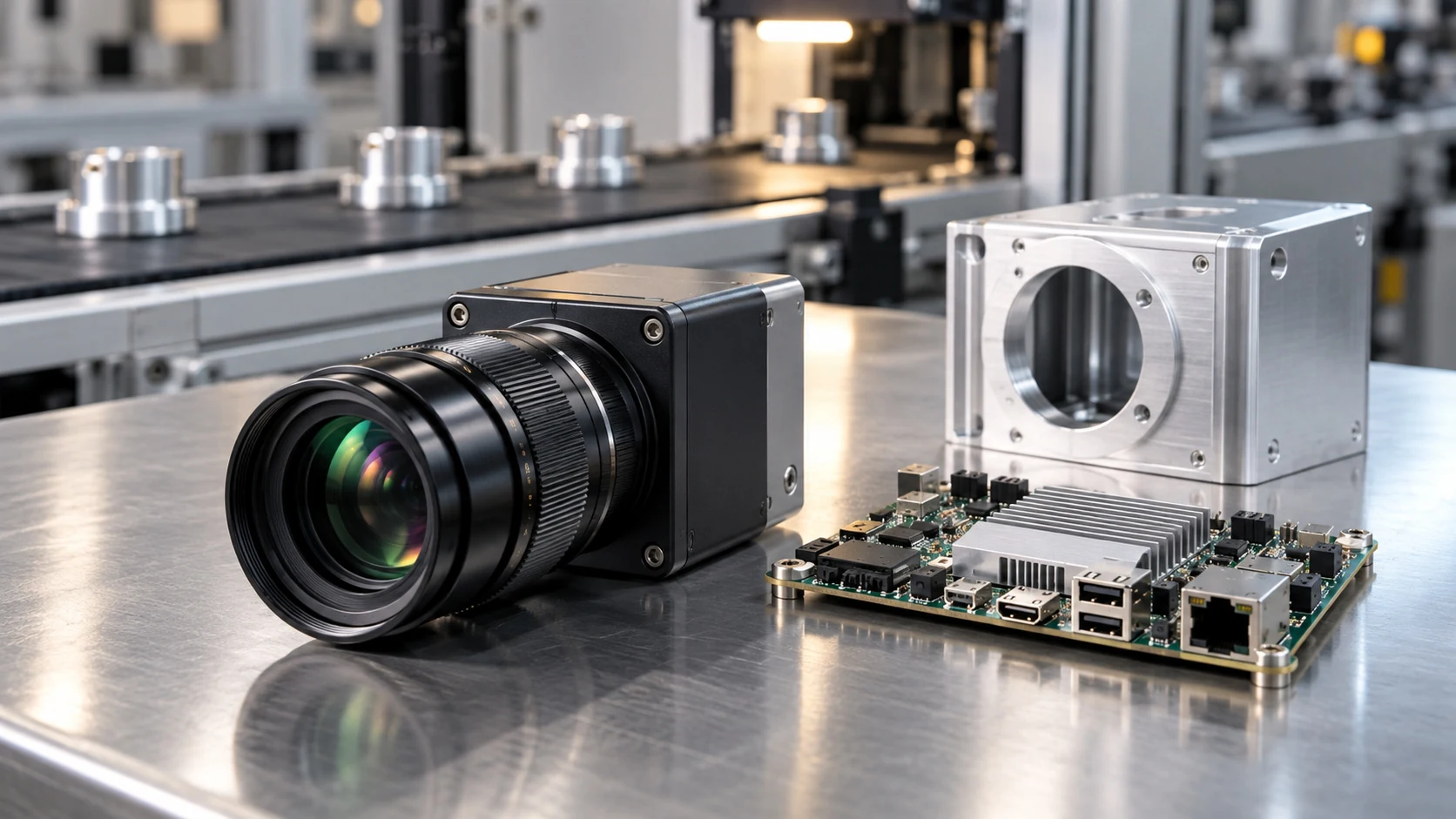
Industrial image sensors can require several supply rails and a defined power sequence. Noise, transient behavior and available board space also influence the power design. TI's published camera power guidance illustrates why regulators and power management devices deserve a review that follows the sensor's actual electrical requirements.
Include the associated regulators, supervisors and power switches in the purchasing discussion. A proposed substitution should be evaluated against the existing rail arrangement and startup sequence. This keeps the commercial review connected to the image acquisition circuit, instead of comparing power devices solely by nominal output voltage.
Match the interface to the equipment installation
Machine vision cameras may use high speed links such as Gigabit Ethernet or USB, while some installations also use Power over Ethernet. The interface choice affects the surrounding physical layer, protection and power circuitry. An Ethernet data connection and PoE power delivery should remain distinct requirements in the project description.
Explain the cable connection, host equipment and installation constraints alongside the selected interface parts. For industrial use, include the environmental requirements already established by your team. This helps keep the requested component grade, package and supporting circuitry aligned with the equipment being built. Where a camera will be integrated into another manufacturer's machine, include the interface requirements that the receiving equipment has already approved.
Preserve the approved version through procurement
Vision products can change during image tuning, processing development and mechanical integration. Record the hardware revision attached to each purchasing list, especially when a change affects memory, clocking or power. Separate approved replacements from options that still need engineering evaluation so that quotations can be compared consistently.
SZIME handles international component brands through independent distribution. For each enquiry, discuss the exact codes, packaging and source records your project requires, together with the delivery milestone. Available supply and terms are confirmed for the proposed order rather than inferred from a product listing or a previous enquiry.
Start with your camera or vision equipment project
An initial discussion can begin with the product architecture, a partial list or an unresolved component group. State whether the next task is a prototype build, a revised camera model or manufacturing preparation. SZIME welcomes early engagement while part selection and project quantities are still being developed.
Contact SZIME Electronics at sales@szime.cn or +86 755 8321 9500, or visit en.cstiot.com. Share the equipment you are developing and the sourcing decisions ahead. We can discuss the component purchasing scope that connects your processing, memory, power and interface requirements with the next build.
Further information: SZIME enquiries