
robotics component sourcing · motion control electronic components
Robotics and Motion Control Component Sourcing with SZIME
Source the approved power, control and feedback components behind robot axes and motion systems with a purchasing plan that preserves their engineering requirements.
Published · Updated
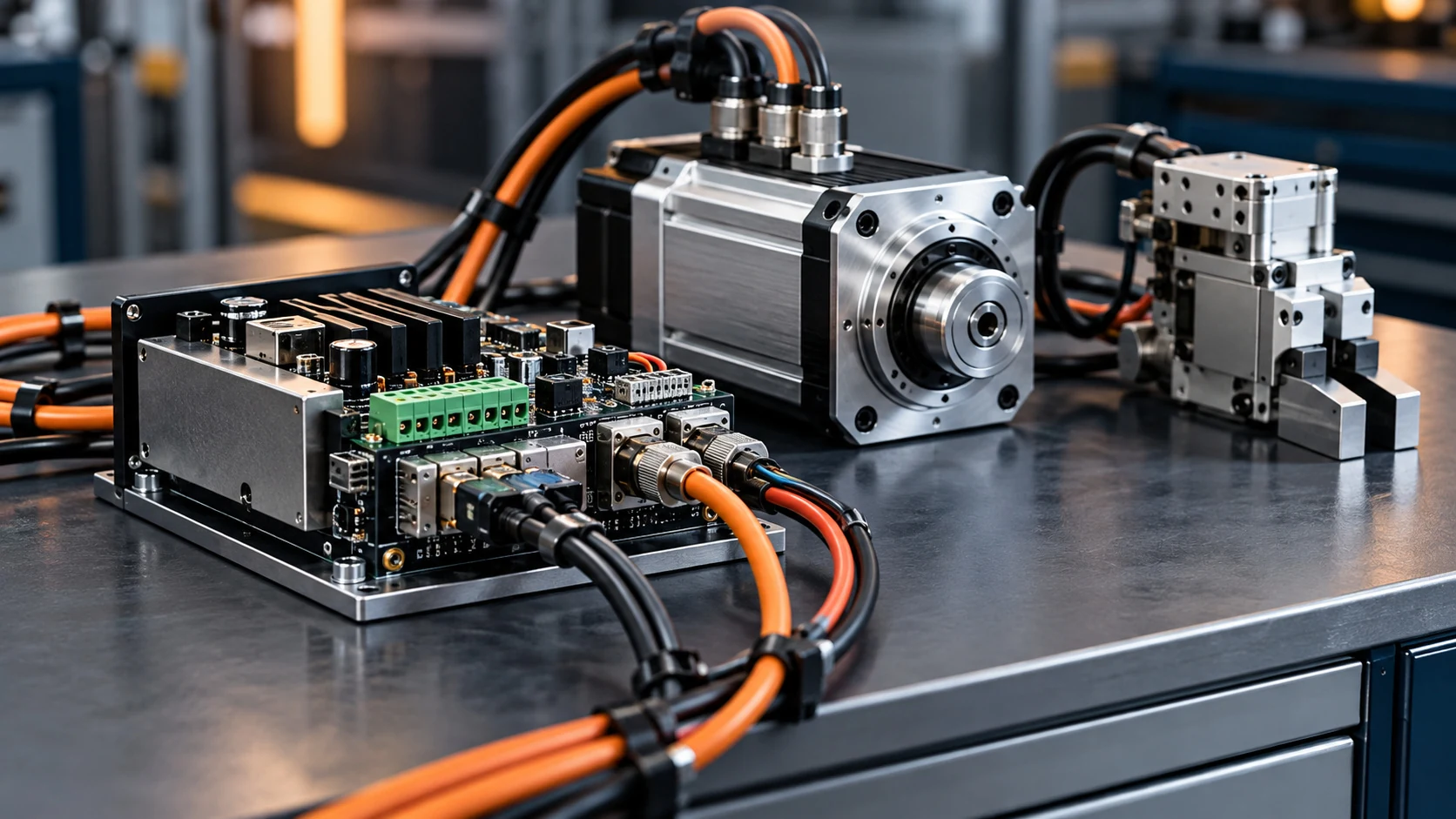
Robotics production depends on more than the availability of a controller or power device. Drive electronics, sensing and communication parts must also be ready for the approved assembly. SZIME Electronics supports robotics and motion control component procurement with original parts sourcing, multi-brand BOM support and project supply planning. We work from the components your team has selected and the build priorities that matter to the machine.
Buy for the axis being built
Robot axes and motion modules can differ in power requirements, feedback arrangements and board implementation, even within one machine family. Associate each parts list with the relevant drive or control-board revision. Include the complete ordering codes and retain differences between axis variants instead of collapsing similar devices into one general description.
For purchasing teams, that association makes the enquiry more useful. It shows whether a missing line affects one axis variant, a shared controller board or several assemblies. SZIME supports industrial control, servo and robot-control component requirements, with the actual sourcing scope established around the project parts list.
Keep power and feedback connected in the BOM
A servo power stage brings together gate driving, current and voltage sensing, protection and regulated power. The control side adds processing, encoder interfaces and communications. Keep motor-current measurement, position feedback and the communication interface identifiable in the file, because each serves a different function in the control system. A request for motor-control components becomes actionable when it identifies the approved parts within those blocks.
Consider the entire assembly path when setting priorities. A power device may be available while its driver, sensing amplifier or isolated interface is still missing. Show the critical dependencies in the list and separate the immediate build requirement from later demand. This supports a project-level sourcing discussion without changing the underlying control architecture.
Preserve common parts and variant differences
Several motion boards may share components while retaining different approved options in specific positions. A consolidated purchasing file should preserve that distinction. Keep each board reference and required quantity visible, then identify genuinely common order codes. The result is a clearer basis for multi-brand procurement and for reviewing an offer against the intended assemblies.
The same approach helps when a prototype revision moves toward a released build. Clearly identify which list is current and whether earlier requirements are still active. Supplying the latest spreadsheet alone is less useful if purchasing and engineering interpret its status differently. Marking the release stage keeps the material requirement tied to the machine programme.
Keep alternatives inside engineering approval
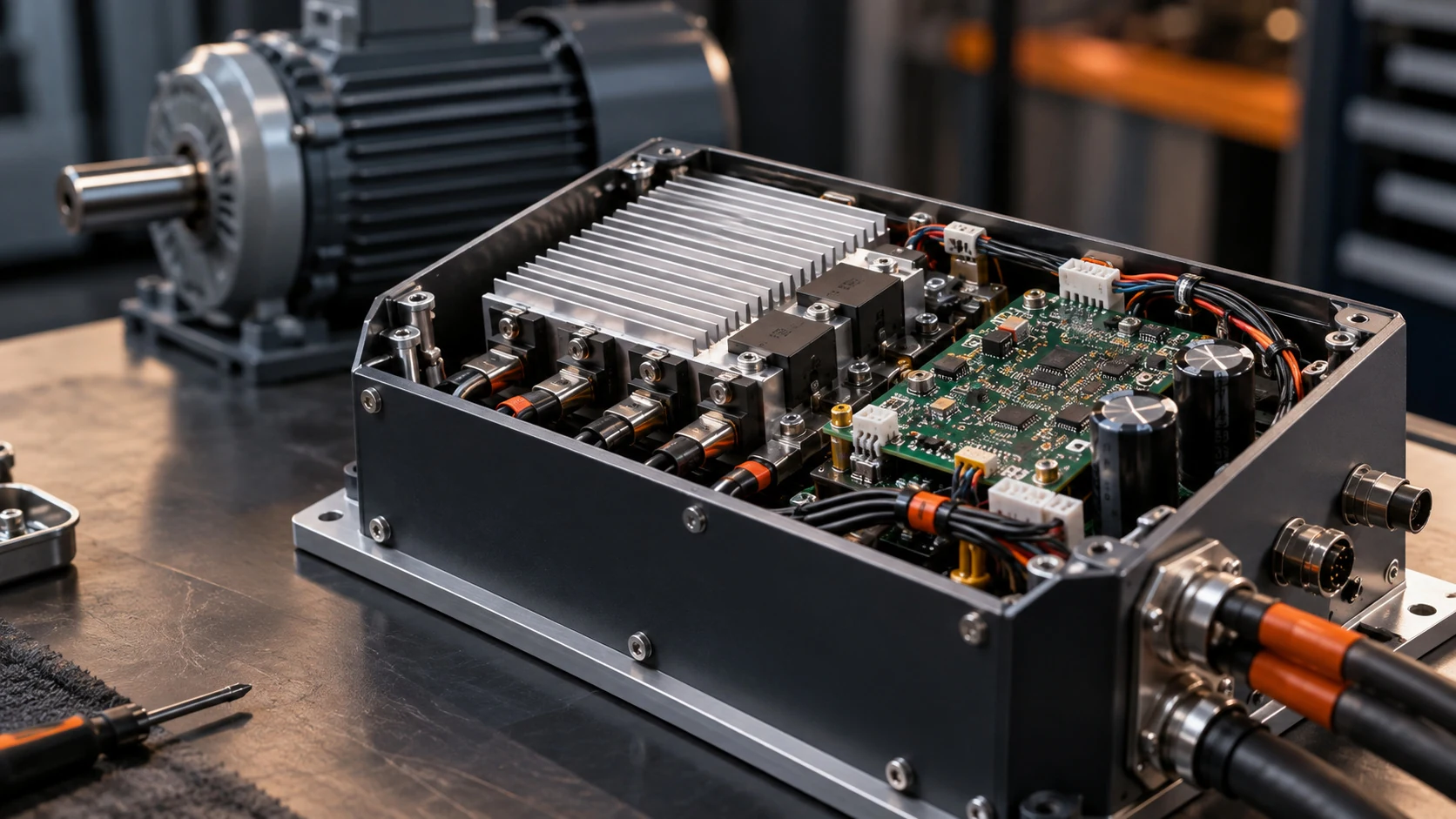
A replacement driver, amplifier or interface IC must be assessed in its circuit context. Pin assignments, electrical limits, timing and operating conditions can matter beyond a shared package or headline function. For motion systems, sensing and feedback requirements also deserve attention when a proposed component differs from the approved design.
SZIME can source the specified parts and support candidate information gathering where your team is considering an alternative. Engineering approval and system verification remain part of the equipment development process. Identify approved substitutes explicitly, along with positions that must retain the original device, so a sourcing option does not become an unintended circuit change.
Make the offer useful for the assembly release
A purchasing decision needs the exact device, quantity, packaging, available lot details and proposed delivery terms. State any incoming inspection records or other project documentation requirements before ordering. Separate quantities needed for the next build from forecasts, and explain whether staged delivery fits the assembly schedule.
SZIME provides independent distribution for international brands including Texas Instruments and Analog Devices. Manufacturer application resources describe component functions; the offered supply and order conditions are reviewed separately. For continuing motion projects, retain the approved codes and acceptance requirements as quantities and build dates develop. This provides a consistent basis for later procurement enquiries.
Bring your next motion project to SZIME
Send a robot-control BOM, a servo-drive shortage list or an outline of a new motion application. You do not need a final part number or a complete BOM to begin. Explain the board or system, the current development stage and the next build requirement. Contact SZIME Electronics at sales@szime.cn or +86 755 8321 9500, or visit https://en.cstiot.com to discuss original component sourcing with our team in Shenzhen, China.
Further information: SZIME enquiries